
In a world overflowing with trends and fads, one phenomenon stands out: Samlaifu. Ever heard of it? If you haven’t, get ready to jump into a vibrant realm where culture meets modernity, and beliefs shape lifestyles. This isn’t just another buzzword: it’s a gateway into a unique narrative that continues to flourish and evolve. So, buckle up for a ride that’s as enlightening as it is entertaining, because who said exploration couldn’t be fun? Let’s uncover the secrets of Samlaifu together.
Understanding Samlaifu
Origins and Cultural Significance
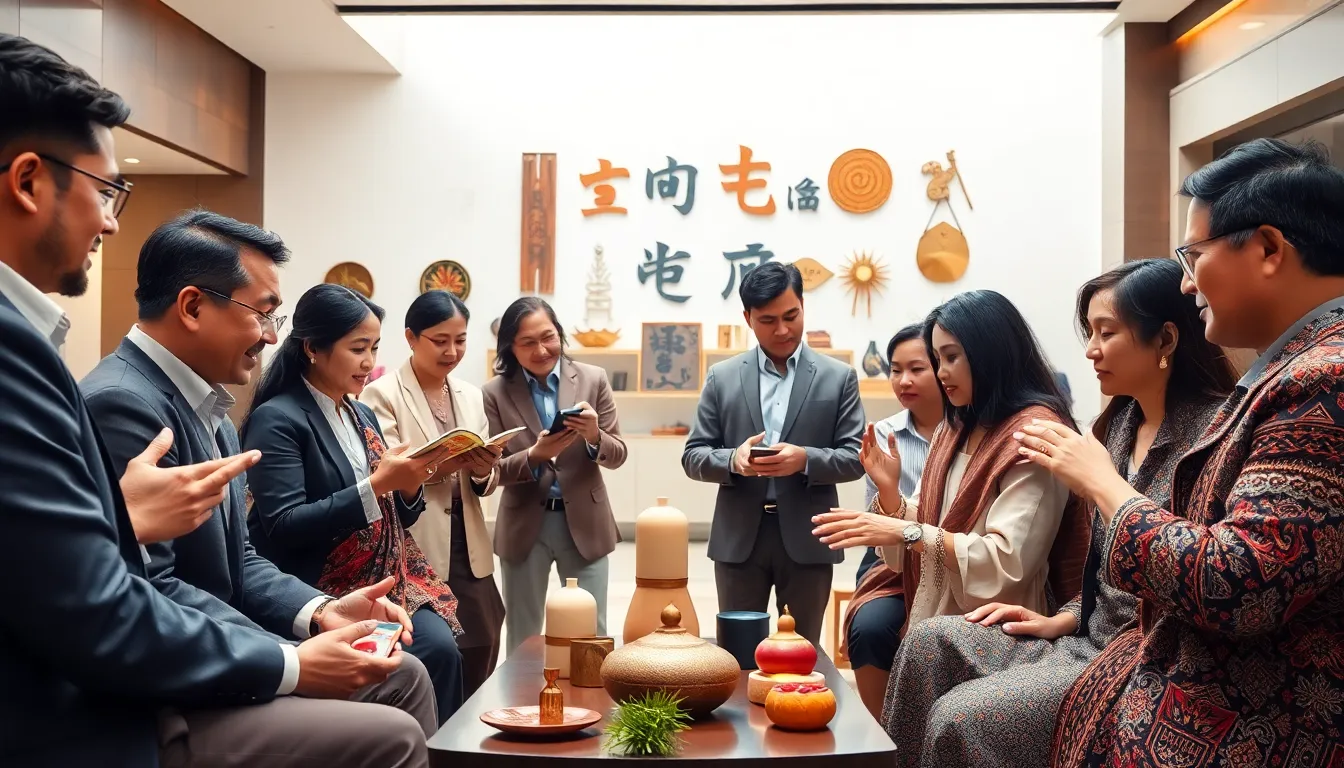
Samlaifu is not just a term: it’s a cultural mosaic steeped in tradition and significance. Historically rooted in specific communities, it embodies the essence of rituals, practices, and the values cherished by its people. From ancient social gatherings to modern expressions, Samlaifu captures how cultures evolve. It symbolizes a powerful connection between generations, speaking volumes about heritage and identity. Those who practice it often integrate the traditions into their everyday lives, making Samlaifu a living history that’s both relevant and engaging.
Through oral storytelling and community gatherings, the values associated with Samlaifu have persisted. Individuals learn about their ancestors’ practices, leading to a deep understanding of their own identities and responsibilities. Isn’t it fascinating how something so rooted in the past can continue to shape perceptions and behaviors today?
Modern Interpretations and Usage
Key Features of Samlaifu
As the world spins faster into modernity, Samlaifu has adapted brilliantly. Today, it encompasses a blend of traditional practices infused with contemporary elements. Young people often reinterpret Samlaifu, melding it with digital culture, social media, and modern art forms. This vital transformation shows just how resilient cultural practices can be: they don’t die, they evolve.
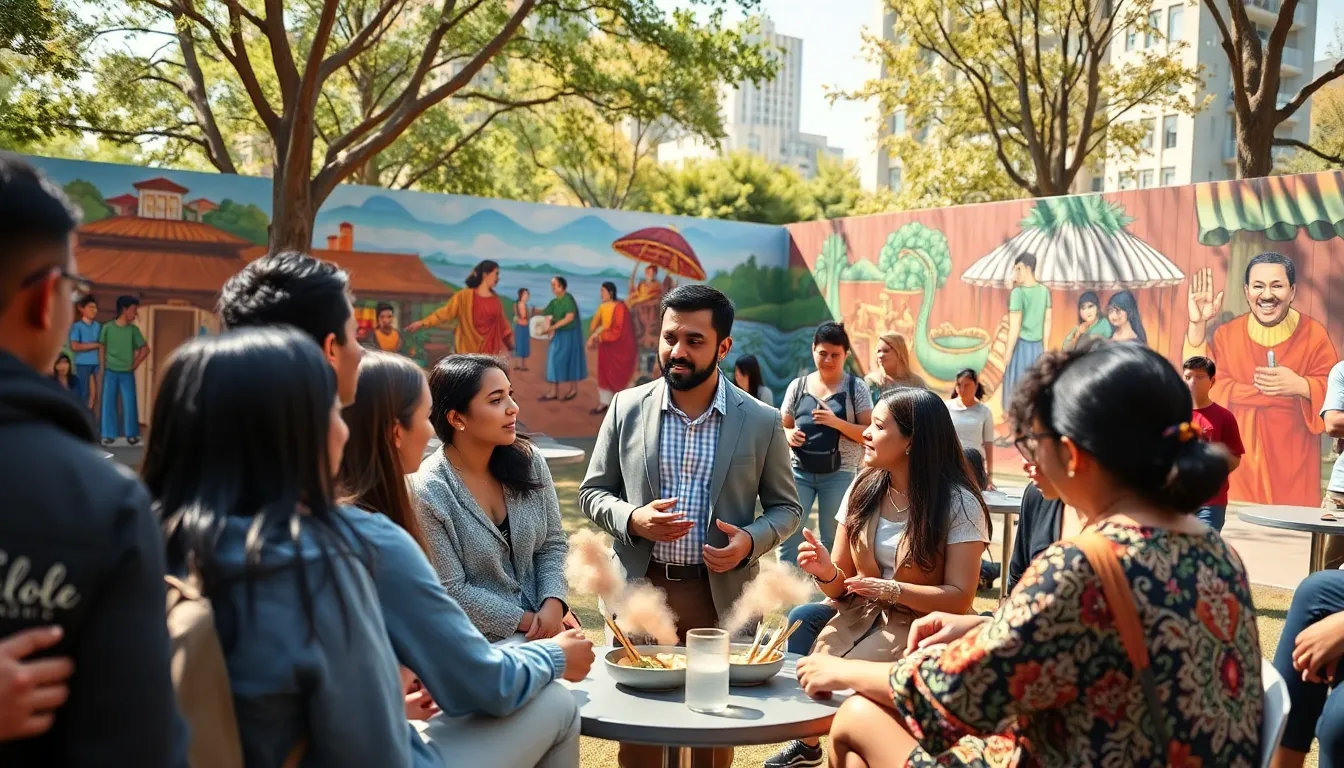
So, what are the notable features of Samlaifu in today’s context? For one, expressive art forms are a key characteristic. Think of murals that depict Samlaifu scenes, this art not only decorates spaces but also invites discussions about the significance behind the images. Community workshops are also a growing trend: these gatherings provide platforms for sharing knowledge, ensuring that the younger generation feels inspired to engage with their heritage. In essence, these modern interpretations keep the spirit of Samlaifu alive and well while empowering creators to narrate their stories.
Practical Applications in Daily Life
Community Engagement and Samlaifu Practices
Imagine walking through a neighborhood where every corner bursts with stories. That’s the magic of Samlaifu in daily life. Far beyond just a cultural construct, it serves practical purposes that enhance community connections. Samlaifu encourages individuals to engage with each other, fostering bonds that strengthen social fabrics. Whether through festivals, cooking classes, or informal gatherings, these practices weave a vibrant tapestry of interactions.
These engagements often lead to shared projects, think community gardens nourished by ancestral wisdom, where individuals learn not only agricultural skills but also the significance of sustainable practices. Also, as people gather, they exchange ideas, sparking creativity and innovation. In many communities, these engagements deepen understanding, paving the way for collaborations that can tackle broader social issues, such as food security or education. Samlaifu, in this sense, becomes a powerful tool for unity.
Challenges and Critiques
Future of Samlaifu
Even though its undeniable richness, Samlaifu isn’t without its challenges. Critics argue that modern interpretations sometimes fall short of the original intent, leading to diluted practices that stray from core values. Concerns about commercialization also loom large: when cultural significance gets overshadowed by profit, questions arise about integrity and authenticity. The future of Samlaifu hinges on how practitioners navigate these challenges while remaining true to their roots.
Adaptation is essential, yet it must be approached with care. There’s a necessity for dialogue within communities to ensure that the essence of Samlaifu remains intact even as it morphs into contemporary forms. Encouraging younger generations to take ownership of these practices could pave the way for a more balanced integration of tradition and modernity. The pursuit of harmony might be the key to sustaining Samlaifu’s relevance in a world that’s constantly changing.